

Understanding the Cultural Foundations of Bodyguarding and Close Protection Operations in Nigeria and Why History Matters in Security Training
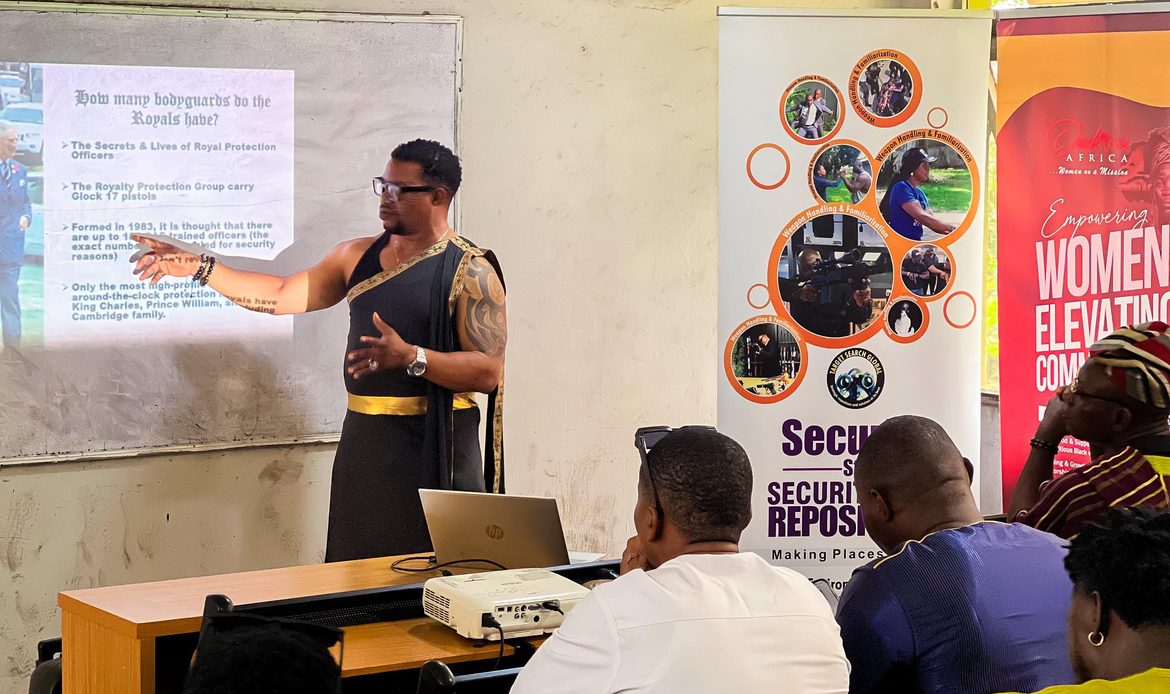
Security professionals are often trained to focus on the present: threat assessment, protective surveillance, access control, defensive tactics, emergency response and the protection of principals. However, to fully understand the evolution of modern Close Protection Operations, it is important to examine where the concept of protecting people of authority and importance began and how different civilizations contributed to its development. The history of protective security provides valuable context for understanding why certain principles remain central to the profession despite significant changes in technology, threats and operating environments.
Ancient Egypt provides one of the fascinating historical contexts through which the foundations of organized protection can be examined. Pharaohs were not simply political leaders; they represented authority, stability and, within the civilization’s religious worldview, divine order. Their protection therefore carried enormous political, religious and cultural significance. Around rulers and other high-ranking individuals existed layers of guards, attendants and trusted personnel whose responsibilities included maintaining security, controlling access and protecting the individual from potential threats. While the systems of protection were very different from those used today, the underlying need was familiar: protecting individuals whose position, authority or importance made them particularly vulnerable.
This historical context teaches today’s security professional an important lesson: close protection has never been only about physical strength. Effective protection has always depended on trust, intelligence, positioning, access management, observation, loyalty and an understanding of the environment surrounding the protected person. The methods and tools have evolved, but these foundational principles continue to influence modern protective operations.
WHY HISTORY MATTERS IN MODERN CLOSE PROTECTION
Modern close protection has become a highly sophisticated and multidisciplinary security profession. Today’s protective professional may operate in corporate environments, diplomatic settings, entertainment venues, hostile environments, international travel, political events and complex urban environments. Technology has transformed the profession through CCTV, GPS, advanced communications systems, intelligence platforms, digital-security capabilities and sophisticated threat-analysis tools. These developments have significantly increased the ability of security professionals to identify vulnerabilities, monitor environments and respond to emerging threats.
Yet, beneath these technological advances are principles that remain remarkably familiar:
Observe. Assess. Anticipate. Position. Protect. Respond.
The equipment may have changed and the operating environment may have become considerably more complex, but the fundamental responsibility has not. Studying the historical and cultural development of protective security allows today’s professionals to appreciate that organised protection emerged as a response to the vulnerability of people who carried authority, wealth, influence or strategic importance. Understanding this history therefore gives security professionals a deeper appreciation of the purpose behind the practices they are expected to apply.

FROM THE PHARAOH’S COURT TO THE MODERN PRINCIPAL
The modern principal may be a President, Chief Executive Officer, diplomat, celebrity, high-net-worth individual, political leader or another person whose position, profile or circumstances expose them to elevated security risks. Protecting such individuals requires considerably more than tactical ability. It requires sound judgement, situational awareness and, increasingly, cultural intelligence.
A professional protector may operate at a wedding, nightclub, corporate boardroom, religious gathering, airport, political event or international assignment, each presenting its own social expectations, behavioural patterns and cultural norms. Understanding those factors helps the security professional distinguish between what is normal within a particular environment and what may be unusual, concerning or potentially threatening. A behaviour that appears suspicious in one context may be entirely ordinary in another, while subtle changes in behaviour within a familiar environment may provide important indicators of risk. This is why history and culture should not be treated as academic subjects separated from operational security; they form part of the wider situational awareness required of a professional protector.
THE EVOLUTION OF THE PROTECTIVE MINDSET
The ancient protector relied heavily on human observation, loyalty, physical positioning and controlled access. The modern protector has inherited these fundamental principles while combining them with advanced training, technology and structured operational procedures.
Contemporary Close Protection Operations may involve:
- Threat and risk assessment
- Protective intelligence
- Advance planning
- Route and journey management
- Surveillance awareness
- Emergency medical preparedness
- Defensive and tactical skills
- Communications technology
- Cyber and digital-security awareness
- Crowd and venue management
- Crisis management
- Cultural intelligence
- Professional ethics and confidentiality
These capabilities represent the modernisation of an ancient responsibility. The objective of professional protection is not simply to react when an attack occurs; it is to identify vulnerabilities, recognise indicators and take appropriate preventive measures before those vulnerabilities develop into security incidents. The modern protective mindset is therefore fundamentally proactive. It requires the professional to think ahead, understand the environment, anticipate possible developments and continuously assess whether existing protective measures remain appropriate to the threat.
SECURITY PROFESSIONALS MUST UNDERSTAND THE “WHY”
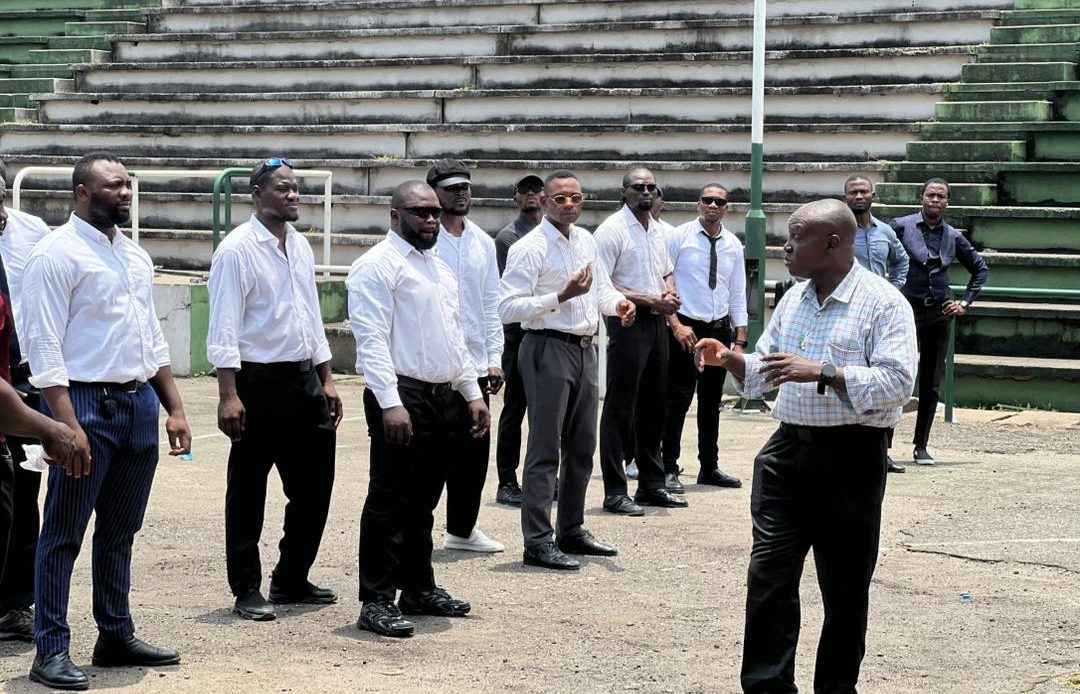
One of the weaknesses that can arise in security training is that practitioners may learn what to do without fully understanding why they are doing it. Effective training should provide both the procedure and the reasoning behind it. For example, security professionals should be encouraged to consider questions such as:
- Why does a protector maintain a particular position?
- Why must access be controlled?
- Why is trust so important?
- Why must the protective team understand the principal’s behaviour and routines?
- Why is advance planning essential?
- Why must a security professional understand the environment and culture surrounding an assignment?
These questions are directly connected to operational effectiveness. Many of the principles behind them existed long before modern security terminology was developed. Understanding their historical development allows trainees to see that protective procedures are not arbitrary instructions but responses to recurring security challenges. A professional who understands the reasoning behind a procedure is better equipped to apply that principle effectively when circumstances change, rather than simply following a routine without understanding its purpose.
FROM THE TRADITIONAL BODYGUARD TO THE PROFESSIONAL PROTECTOR
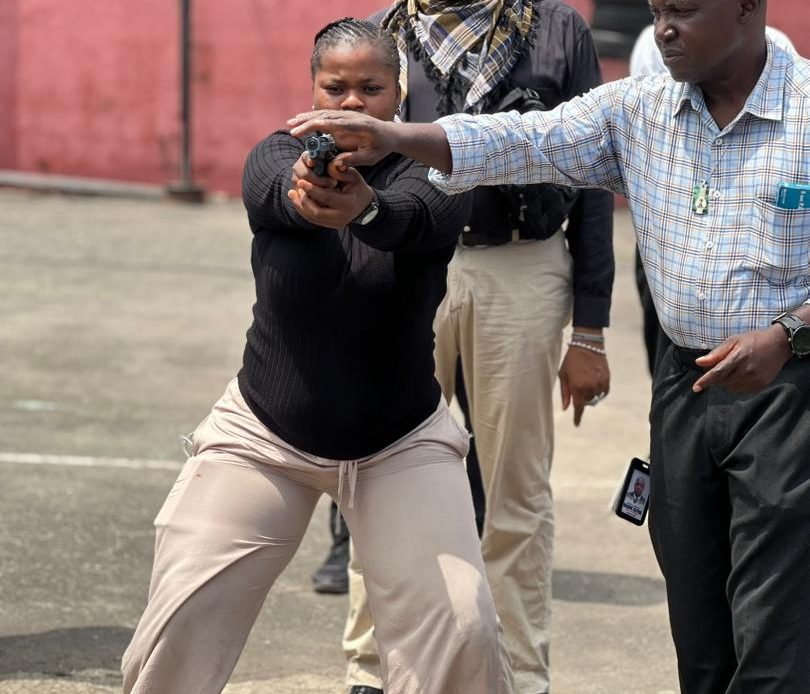
The modern Close Protection Officer must move beyond the traditional image of the “bodyguard” whose primary responsibility is simply to stand beside a VIP. Professional close protection is a comprehensive security discipline that requires the protector to function as an observer, planner, communicator, risk manager, problem solver and, when necessary, an emergency responder. The visible presence beside a principal is only one part of a much broader protective operation.
Protection begins before the principal arrives and continues after the principal leaves. Advance preparation, intelligence gathering, environmental assessment, route planning, access management and contingency planning are therefore as important as the physical presence of the protective officer. The professional protector must continually consider what could happen, where vulnerabilities may exist and what measures can be taken to reduce exposure to risk. This mindset should be firmly embedded within contemporary Close Protection Operations training.
WHY ANCIENT SECURITY HISTORY BELONGS IN MODERN TRAINING
I believe security professionals should understand the journey of their profession. When trainees learn about the historical and cultural foundations of protective security, they begin to appreciate that today’s sophisticated Close Protection Operations are not an isolated modern invention. They are the product of centuries of human experience in protecting leaders, communities, institutions and individuals of importance. History provides perspective, culture provides context, technology provides capability and professional training develops the competence required to bring these elements together.
The technology has changed, the threats have changed and the environments have changed, but the fundamental responsibility remains:
Protect the person. Understand the threat. Control the environment. Anticipate the unexpected.
This is the philosophy behind incorporating the historical and cultural development of bodyguarding into my Modernised Close Protection Operations Training Programme. The intention is not simply to teach practitioners how to respond to incidents, but to develop professionals who understand the origins of protective security, recognise the principles that have endured over time and can apply those principles within today’s increasingly complex operational environments.
BUILDING SECURITY PROFESSIONALS FOR TOMORROW
The security environment continues to evolve, requiring protective professionals to continually develop their knowledge and capabilities. Political instability, organised crime, terrorism, technological developments, digital threats, mass gatherings and increasingly complex social environments all create challenges that cannot be addressed through physical and tactical skills alone. Modern security training must therefore develop professionals who understand the wider dimensions of protection, including intelligence, risk, human behaviour, technology, culture and the operational environment.
A Close Protection Officer who understands history, culture, human behaviour, technology and modern threat environments is better positioned to appreciate the complete meaning of professional protection. Continuous learning is essential because the threat environment does not remain static, and the professional protector must be capable of adapting to changing circumstances without losing sight of the fundamental principles upon which effective protective security has always been built.
CONCLUSION
From the royal courts of ancient civilisations to today’s complex global security environment, the protection of people has always required discipline, loyalty, awareness, judgement and professionalism. For the modern security professional, understanding this history is not about living in the past; it is about understanding how the past shaped the principles we use today and applying that knowledge to build better security professionals for tomorrow.
The evolution from ancient systems of protection to modern Close Protection Operations demonstrates that while methods, technology and threats may change, the fundamental responsibility remains remarkably consistent. The professional protector must understand the person being protected, recognise the environment, assess the threat, anticipate potential risks and position themselves strategically to prevent or respond to danger.
Security is therefore not simply about reacting to danger. Security is about understanding, anticipating and strategically positioning ourselves ahead of the threat.
Strategic Repositioning at Its Best.
By
Dr. Oluwafemi Aratokun-Ale
Security & Close Protection Professional
Target Search Global Nigeria & Africa (TSG)