What State Policing Means in the Nigerian Context
State Policing
State policing refers to allowing each of Nigeria’s 36 states to establish and control its own police force, operating alongside (not replacing) the federal Nigeria Police Force (NPF). The idea aligns with federalism, where sub‑national governments manage local security challenges more effectively. State policing has emerged as one of Nigeria’s most debated and potentially transformative security reforms, driven by rising insecurity and the limitations of a highly centralized police system. It represents a shift toward decentralized, community‑rooted law enforcement that many analysts argue is now essential for Nigeria’s complex security landscape.
What State Policing Means in the Nigerian Context
State policing refers to allowing each of Nigeria’s 36 states to establish and control its own police force, operating alongside (not replacing) the federal Nigeria Police Force (NPF).
The idea aligns with federalism, where sub‑national governments manage local security challenges more effectively.

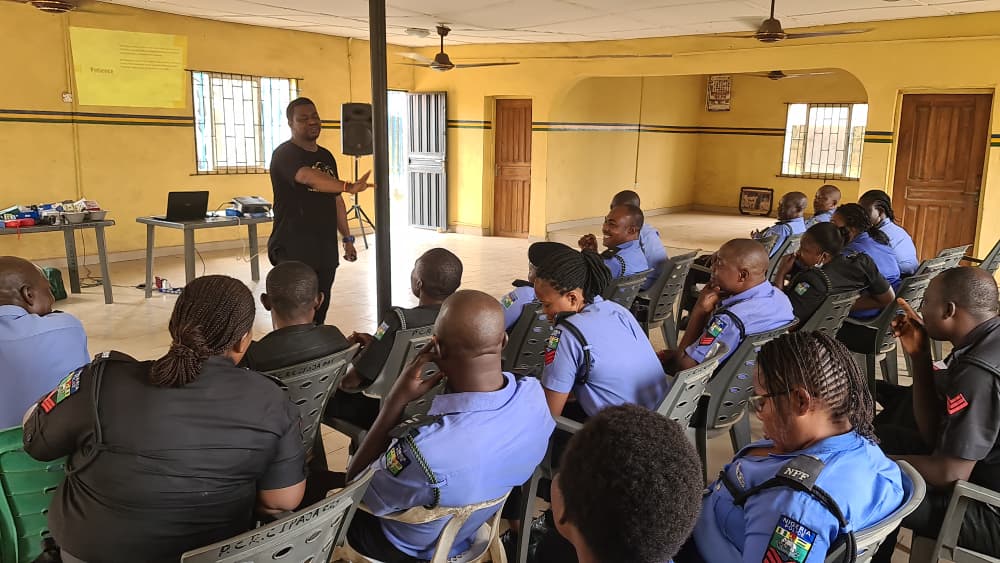
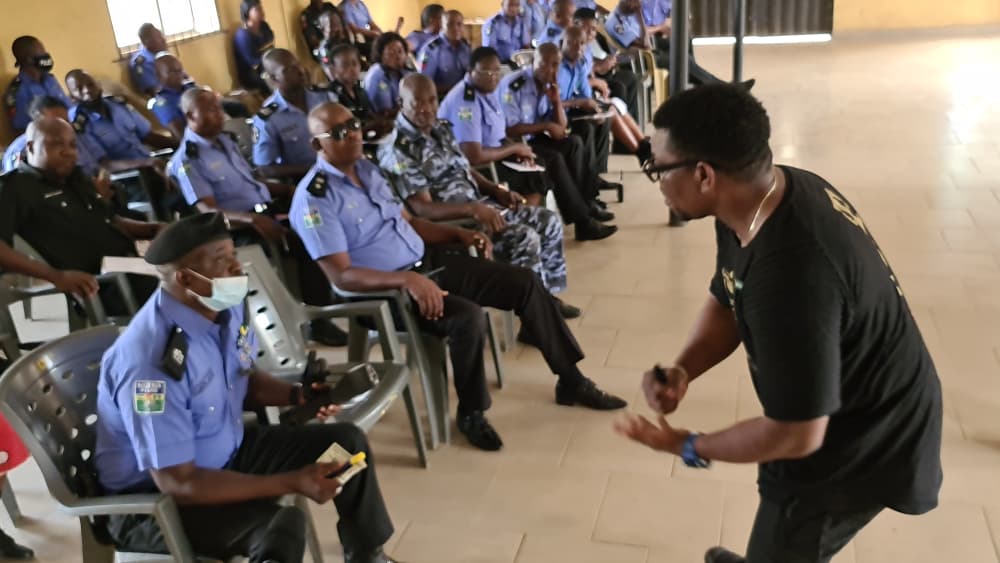
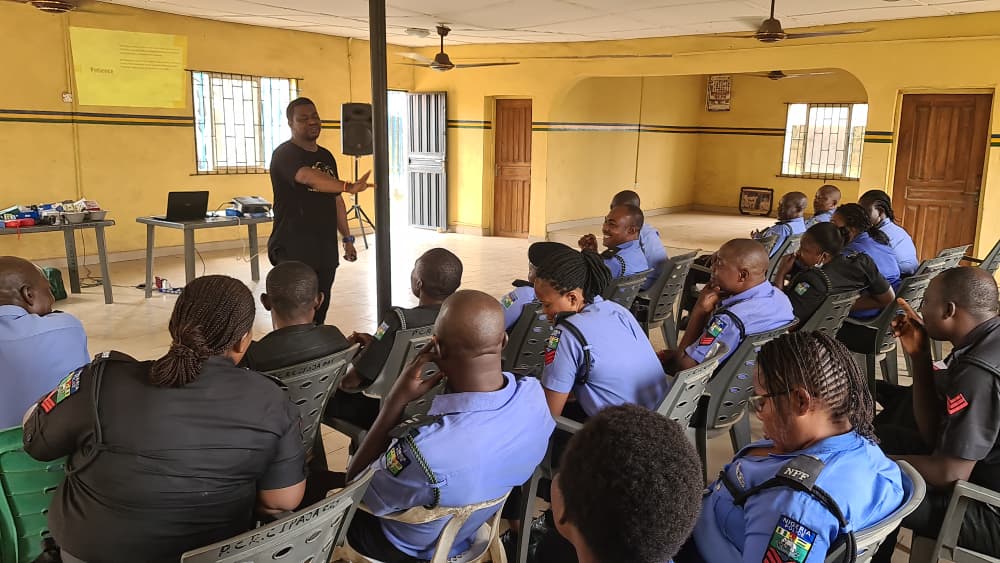
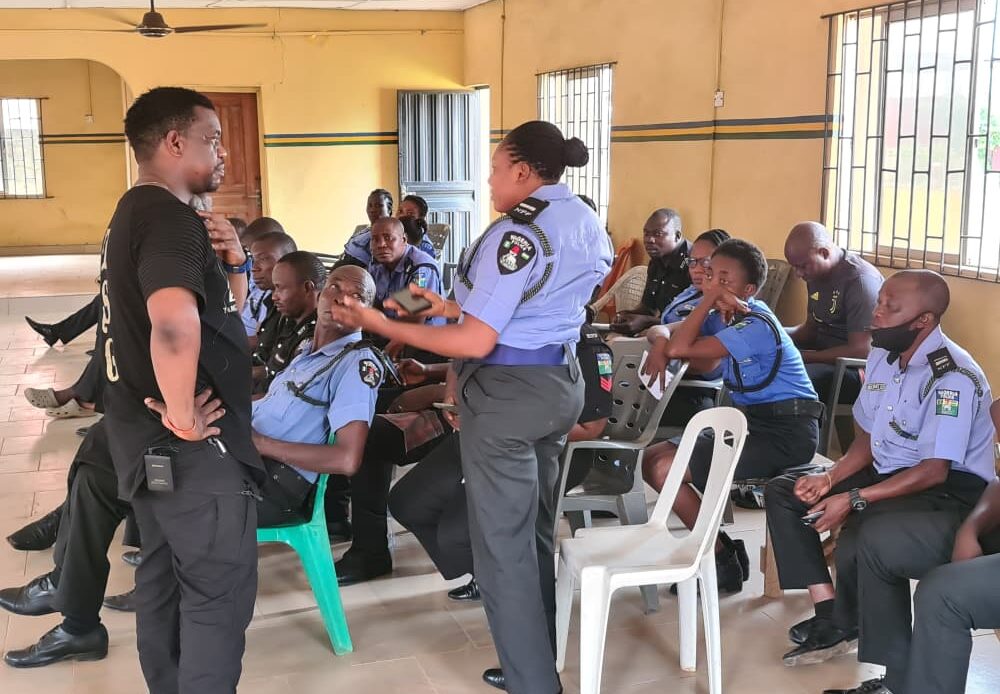
TSG Nigeria can potentially support aspects of state‑level policing training, but there is no publicly verified evidence that it currently provides formal training specifically for state police structures in Nigeria. Available information shows TSG Nigeria operates as a private security and protection firm, not an official police‑training institution
TSG Nigeria (Target Search Global) is known for:
* Executive and close‑protection services
* Threat detection and mitigation
* Security consulting and risk assessment
* Private security training for corporate clients and high‑risk individuals
These capabilities mean TSG could theoretically offer complementary training—such as intelligence gathering, threat assessment, or VIP protection—to state‑level security outfits