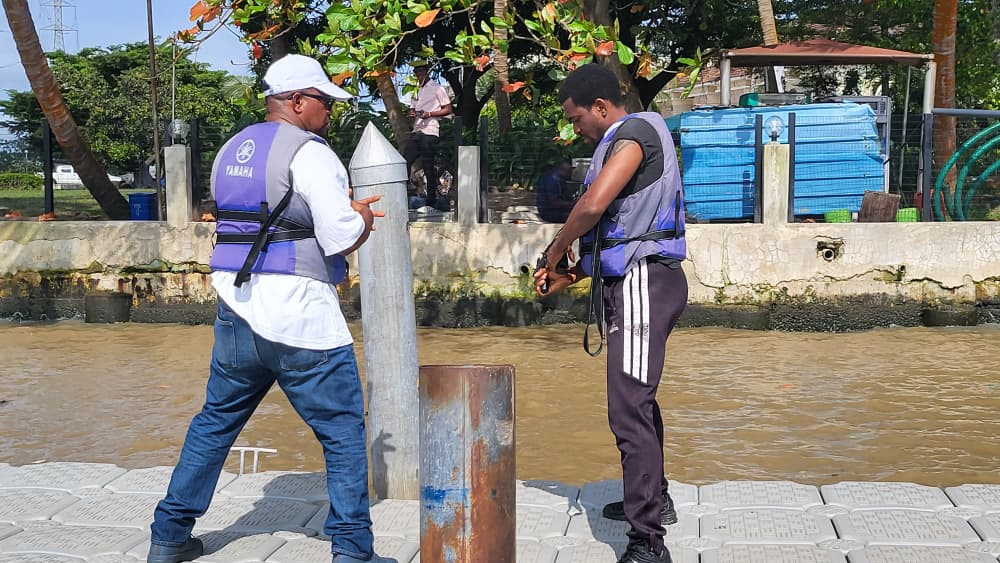
We Are The Best

Weapon Competency

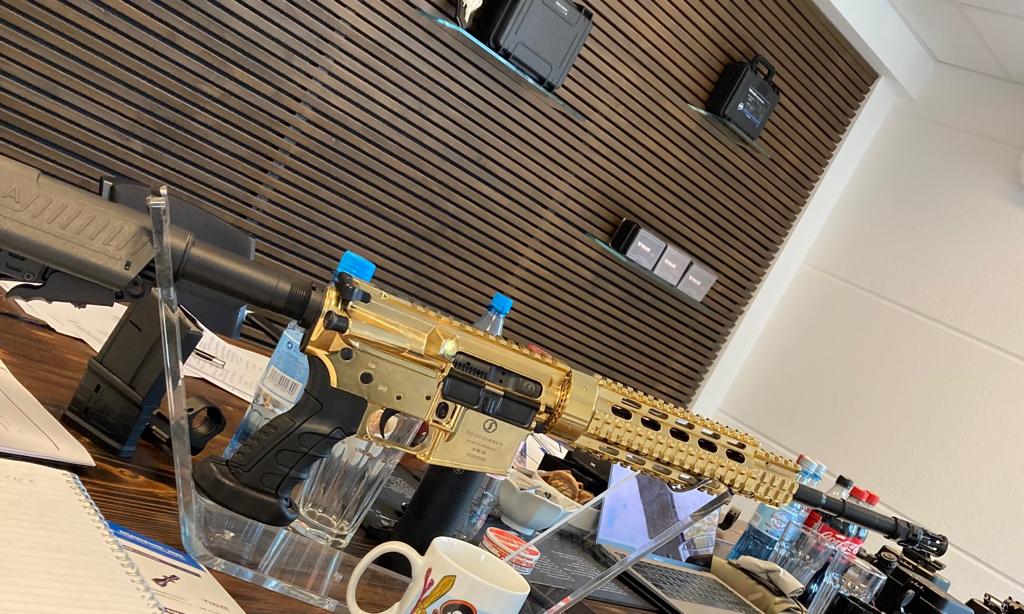
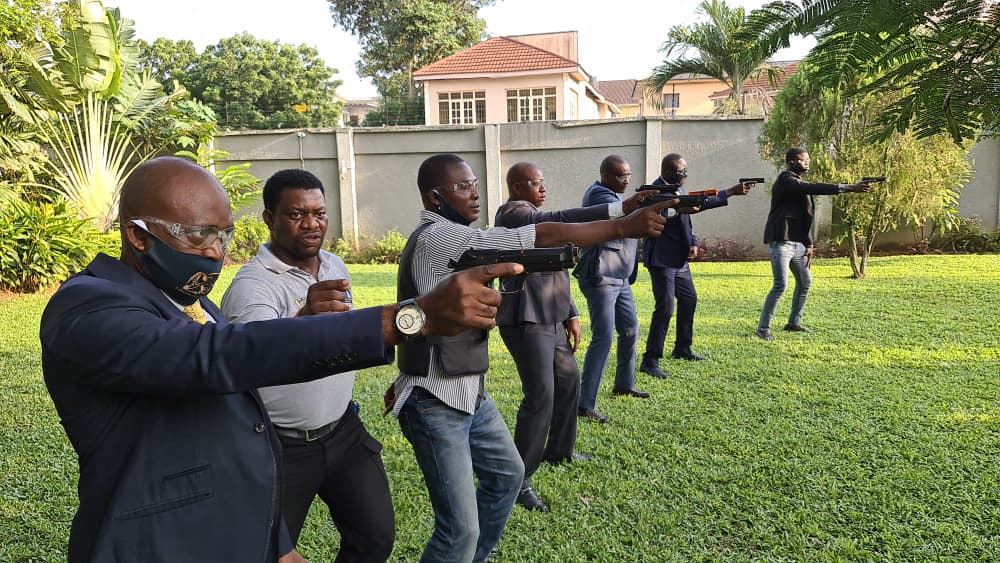
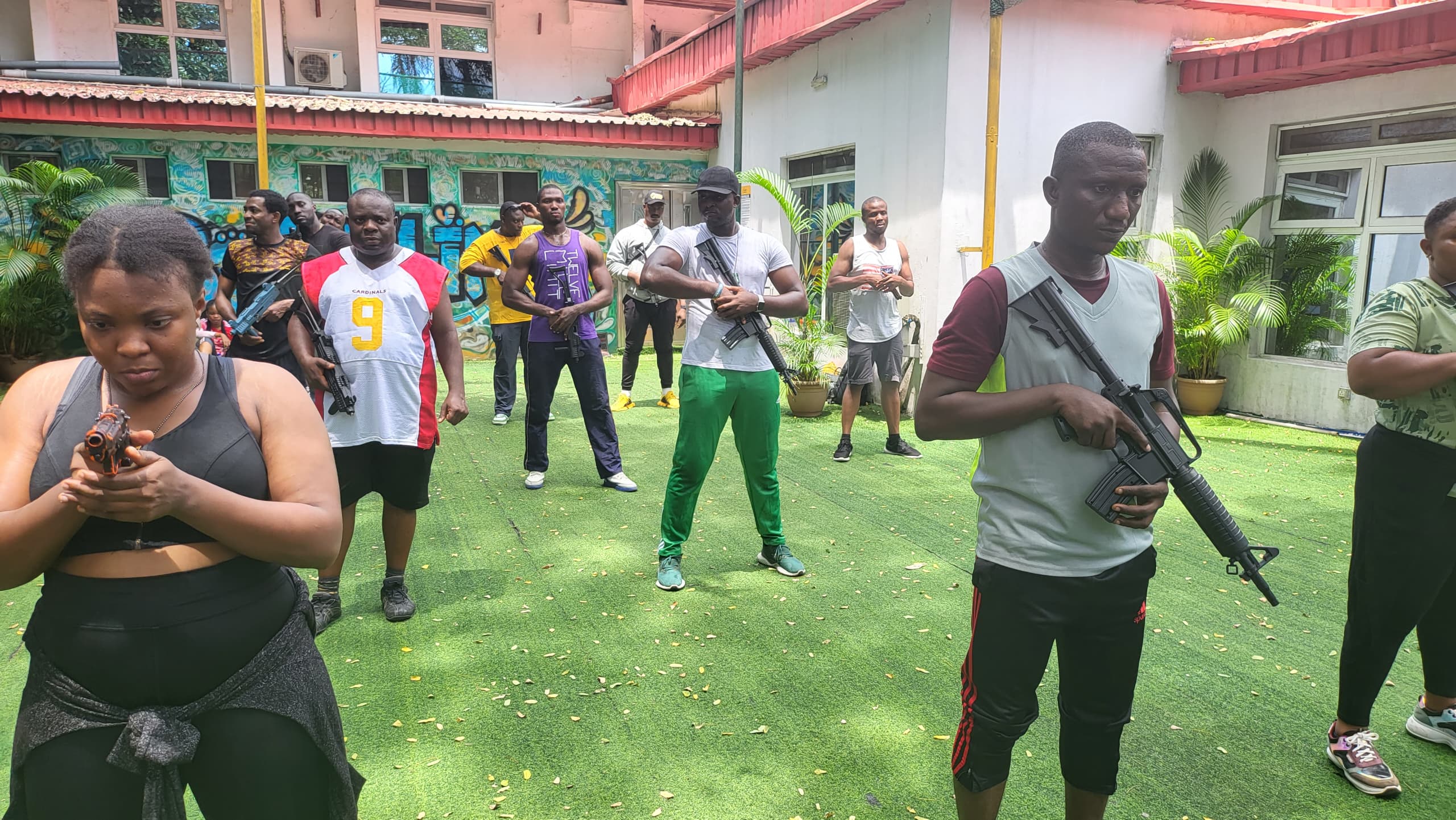
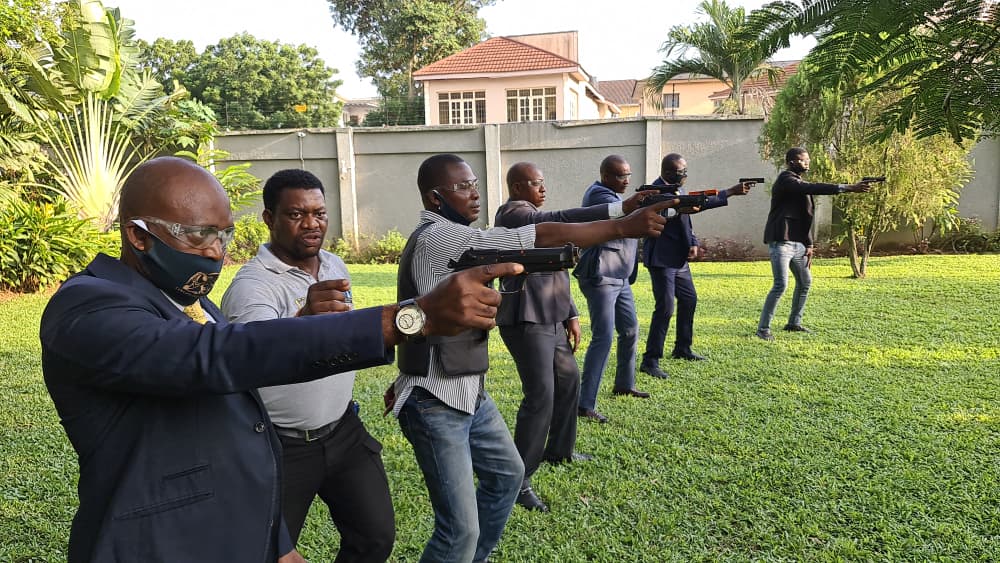
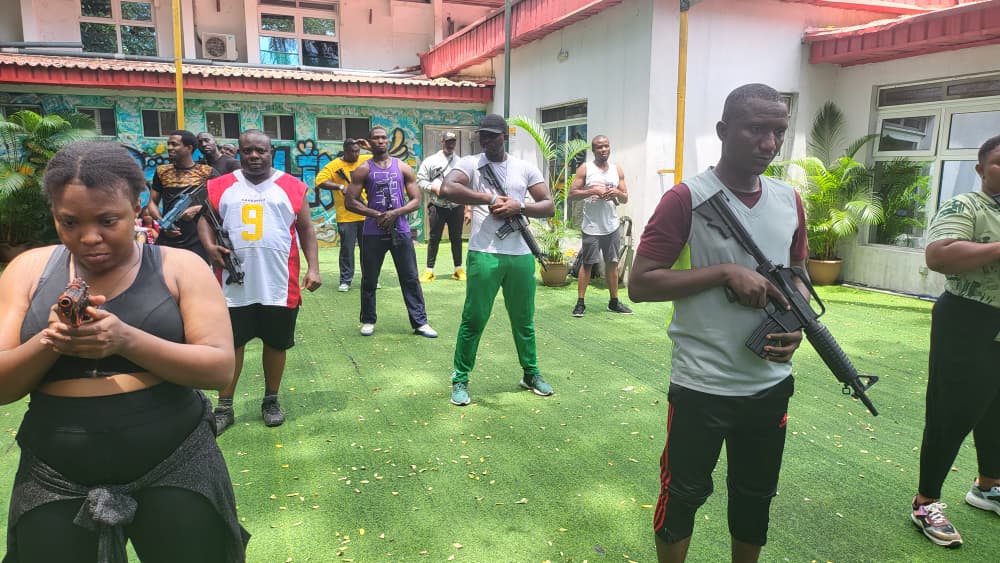
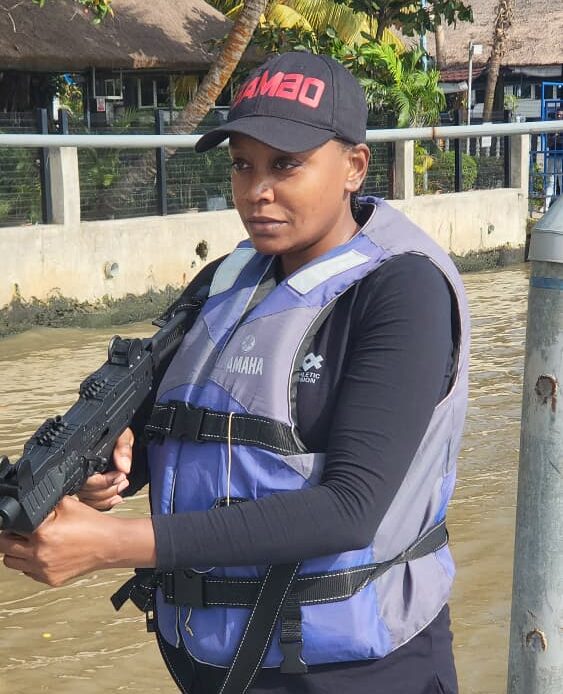
Weapon competency in close protection refers to the professional ability to safely, legally, and effectively handle firearms within the specific context of protecting a principal (VIP). It combines technical shooting skills with tactical judgment, legal knowledge, and disciplined behaviour under pressure.

Legal and Regulatory Knowledge

  • Knowing the laws governing firearms in the operating country
  • Understanding licensing, use-of-force laws, and rules of engagement
  • Knowing when you can and cannot use a weapon

In the UK, for example, armed close protection is extremely restricted and usually only conducted by police or military units.

Marksmanship Skills

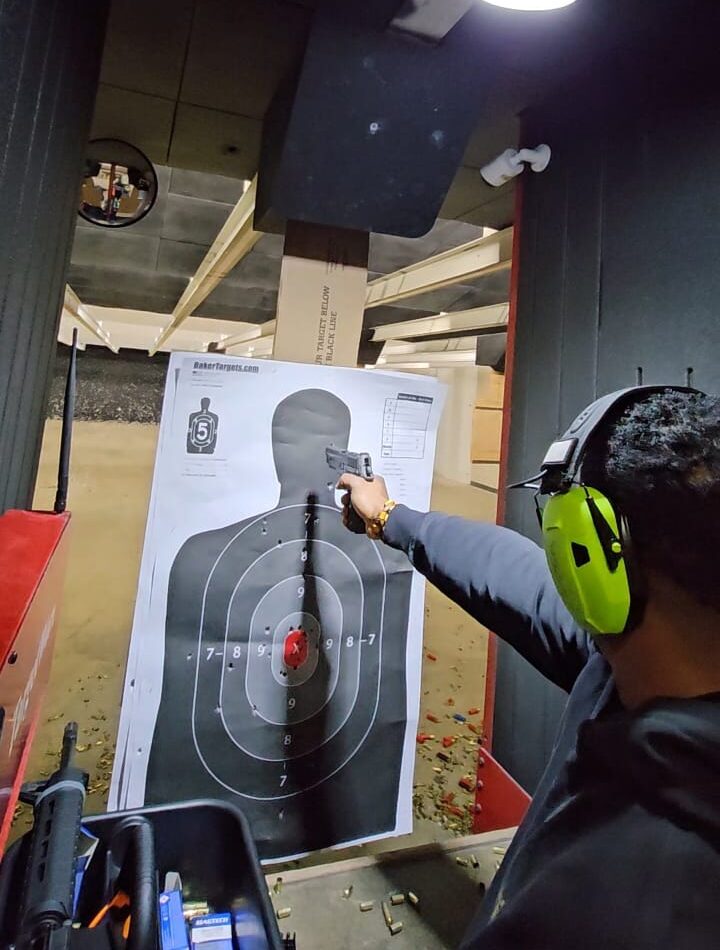
  • Accurate shooting at various distances
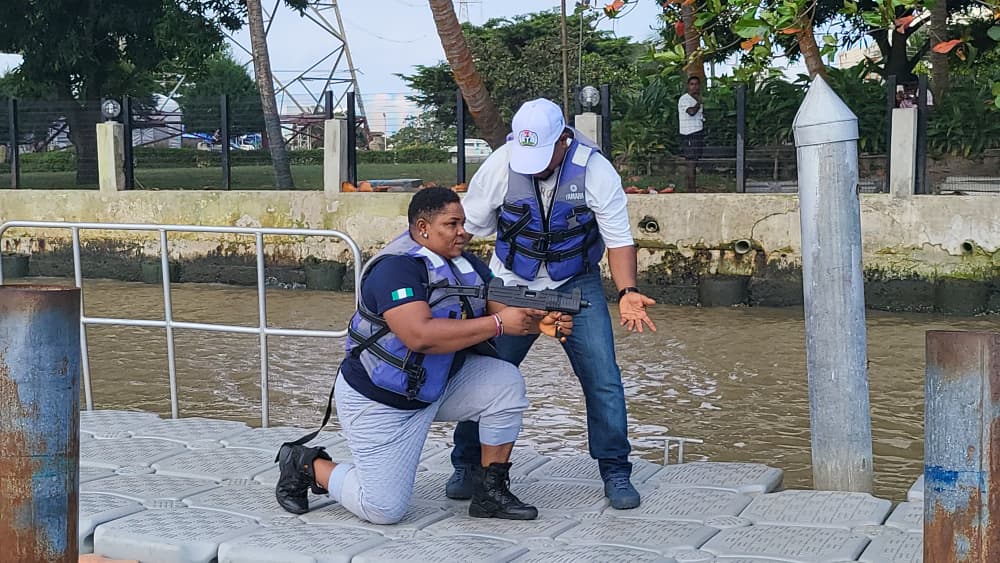
  • Shooting from different positions (standing, kneeling, prone, behind cover)
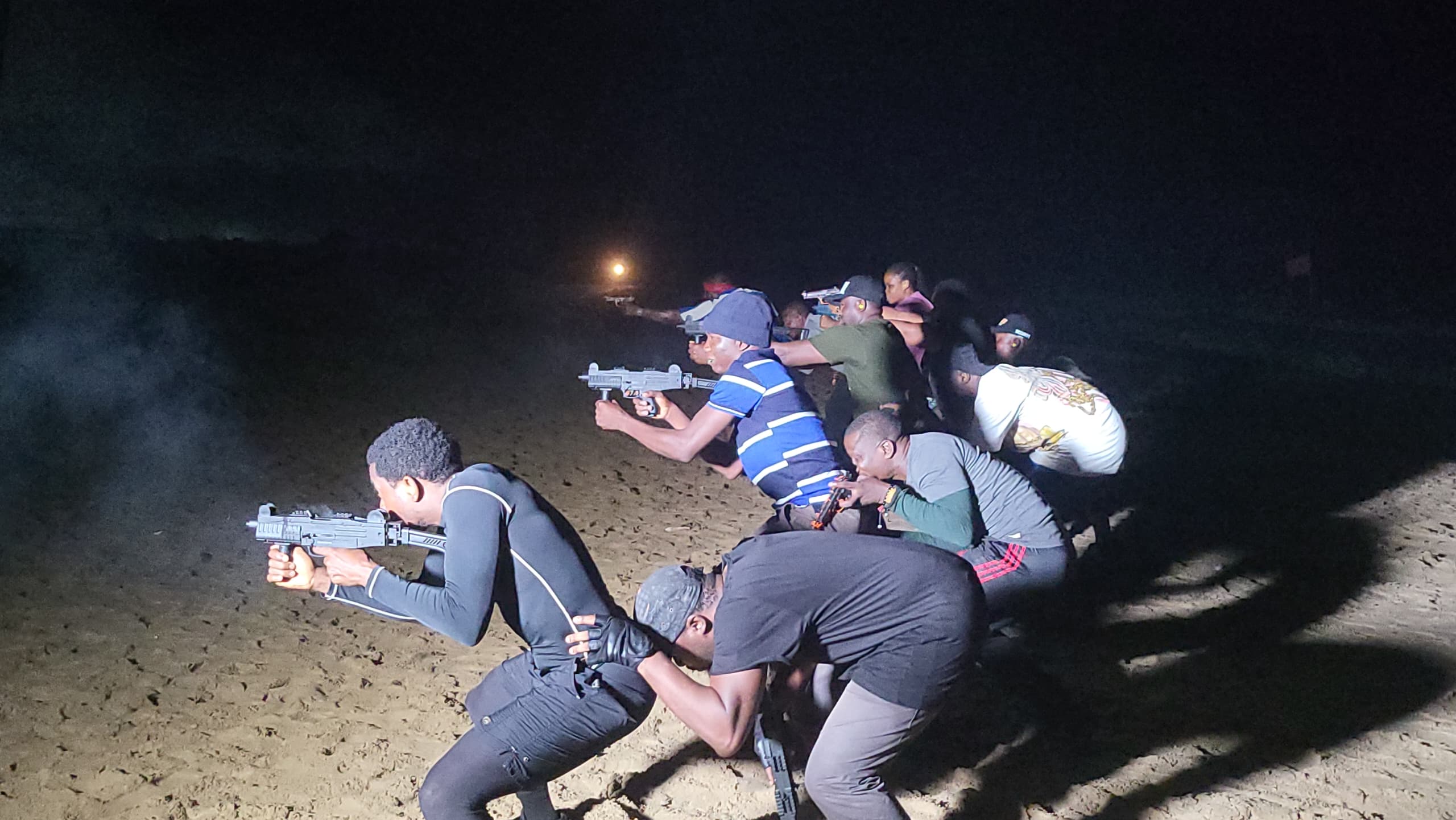
  • Shooting in low light
  • Shooting under stress

Training often includes timed drills and accuracy standards.

 Tactical Firearms Skills

  • Drawing from a holster safely and efficiently
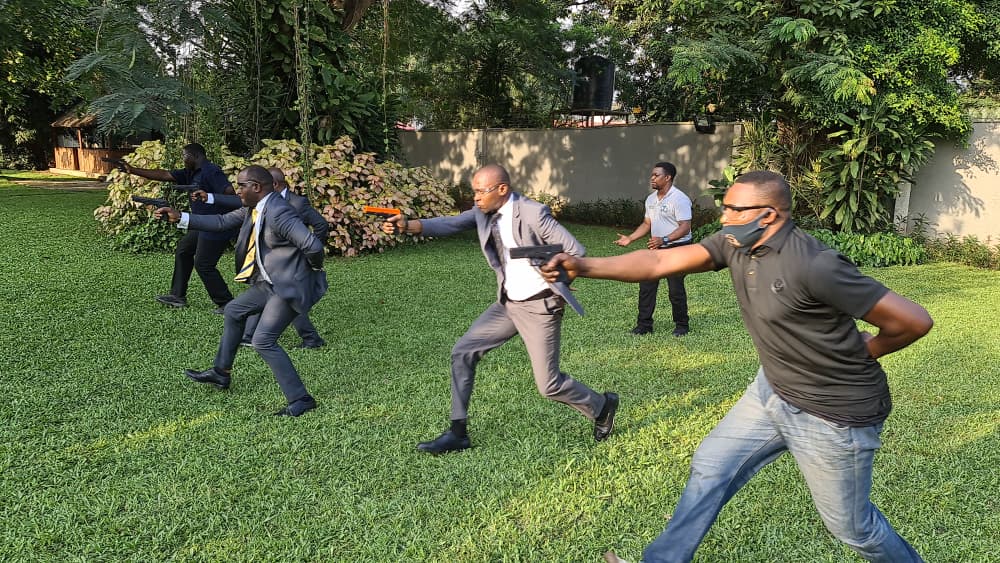
  • Moving and shooting
  • Using cover and concealment
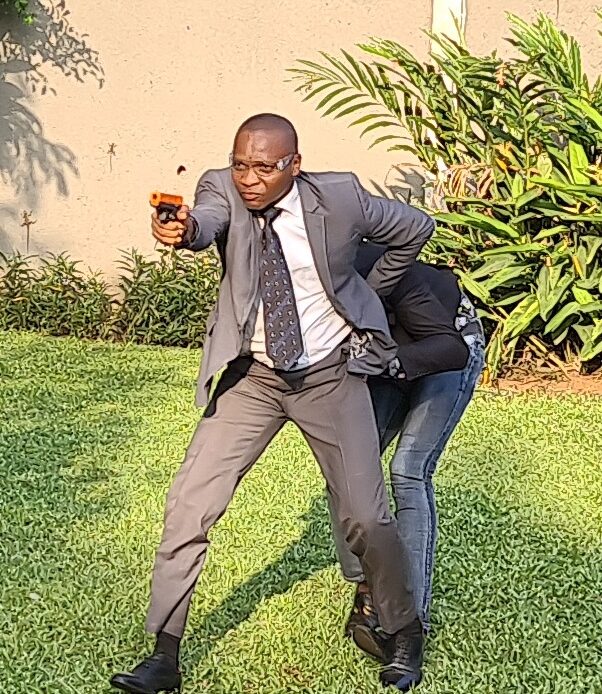
  • Protecting the principal while engaging threats
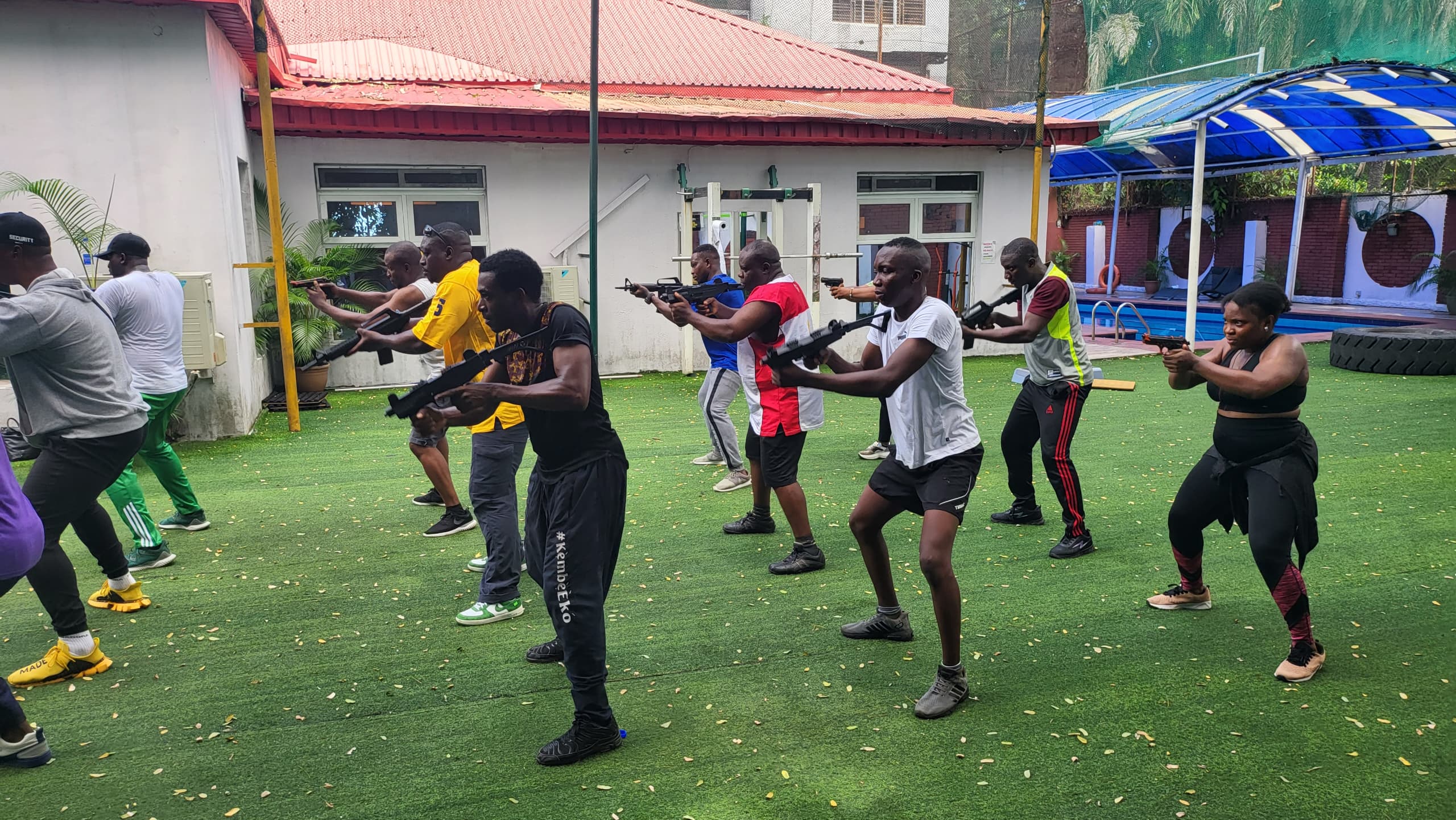
  • Working as part of a team (communication, spacing, arcs of fire)

Close protection shooting is different from military or police shooting—your priority is protecting the principal, not winning a gunfight.

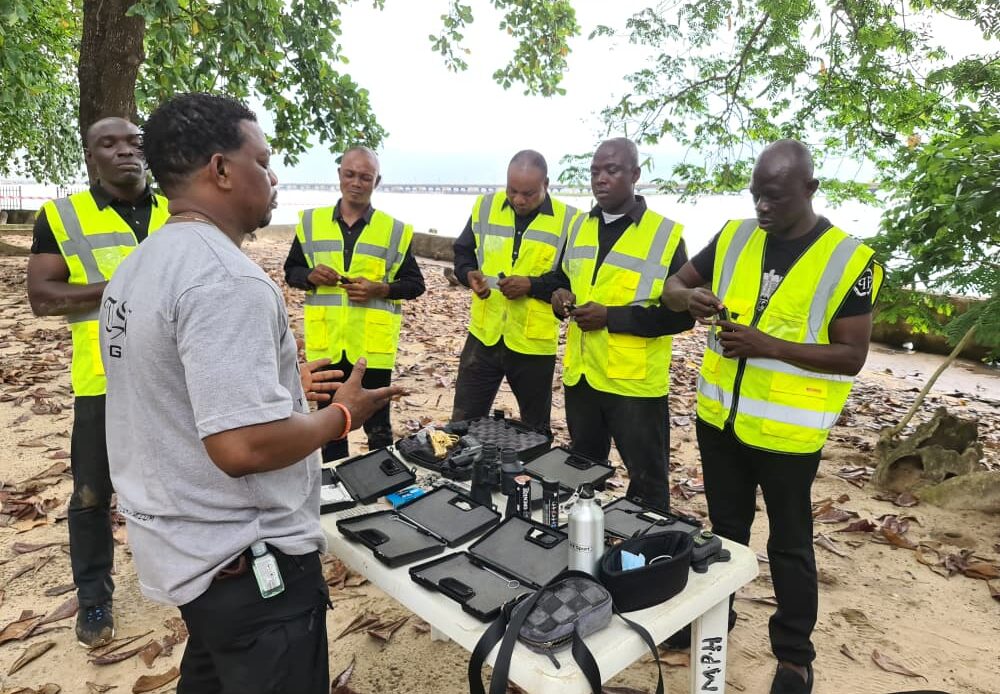
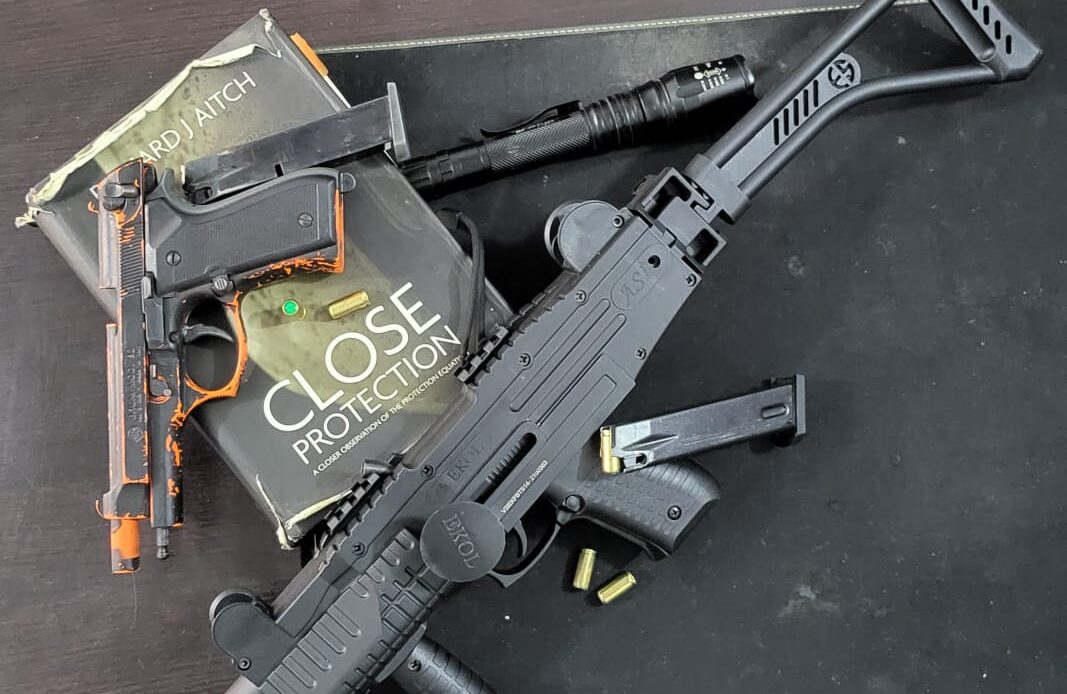
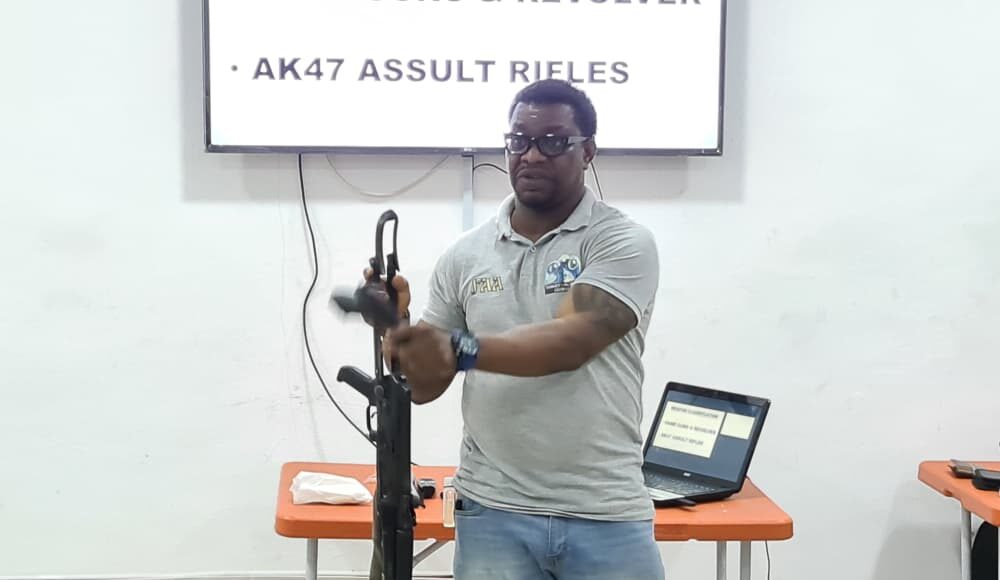
. Weapon Maintenance

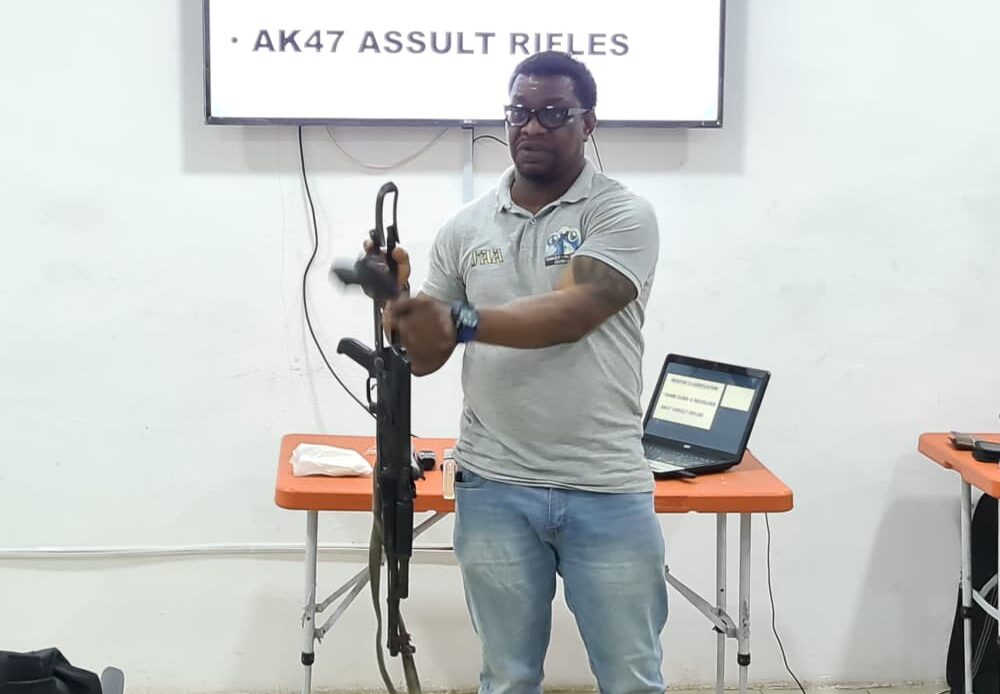
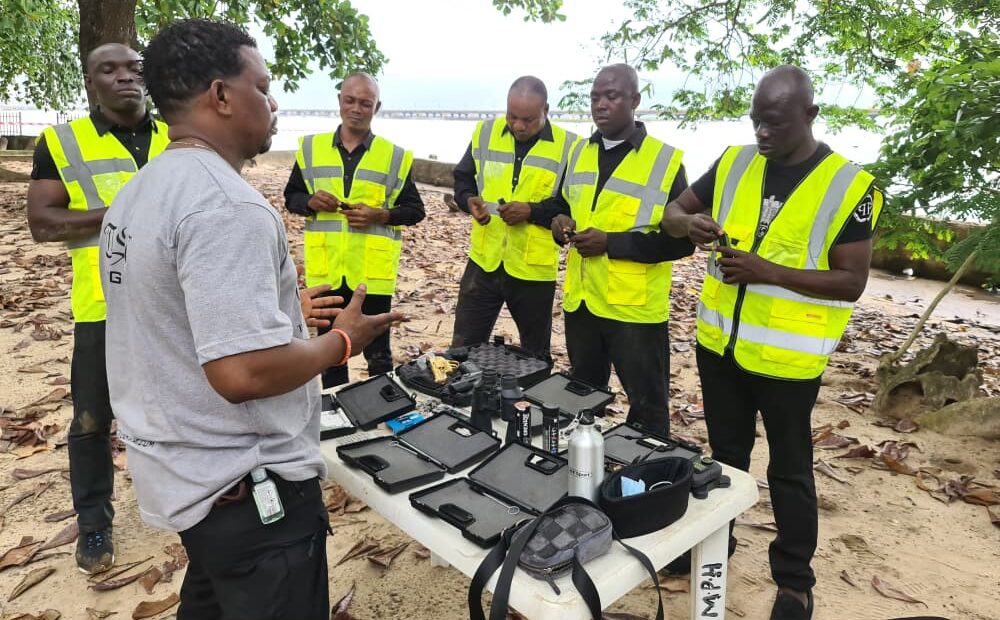
  • Cleaning and maintaining firearms
  • Identifying faults
  • Ensuring the reliability of the weapon system

A malfunctioning weapon is a liability in protection work.

Professional Conduct & Judgment

  • Knowing when not to use a weapon
  • Avoiding unnecessary escalation
  • Maintaining composure under stress
  • Prioritising the principal’s safety over engaging threats

Weapon competency is as much about decision-making as it is about shooting.

Why Weapon Competency Matters in Close Protection

Because in a real attack:

  • You must protect the principal first
  • You must avoid collateral damage
  • You must act within the law
  • You must remain calm and effective under extreme pressure

A close protection officer who is not fully competent with weapons is a danger to themselves, the team, the public, and the principal.

Â